Cervicogenic Headaches
At Port Melbourne Physiotherapy and Pilates we pride ourselves on providing our clients with exceptional quality Physiotherapy services by a qualified and professional team.
Headaches and migraines can significantly impact daily life, affecting work, sleep, concentration, exercise, and overall wellbeing. Physiotherapy can help identify physical contributors to headaches and provide treatment aimed at reducing pain, frequency, and severity.
Cervicogenic Headaches
Cervicogenic headaches originate from structures in the neck, including joints, muscles, and nerves. Pain is commonly referred from the cervical spine into the head.
Symptoms may include:
- Headache starting from the neck or base of the skull
- Pain on one side of the head
- Neck stiffness or reduced movement
- Pain triggered by neck movement or posture
- Shoulder or upper back tension
- Headaches associated with prolonged sitting or desk work
Migraines
Migraines are a neurological condition that can cause severe headaches and other symptoms. While physiotherapy does not treat the neurological cause of migraines, it may help manage musculoskeletal contributors such as neck tension, posture, and movement dysfunction.
Migraine symptoms may include:
- Throbbing or pulsating head pain
- Sensitivity to light or sound
- Nausea or dizziness
- Visual disturbances or aura
- Neck pain and muscle tension
- Fatigue and difficulty concentrating
Many people with migraines also experience neck stiffness and muscular tightness that physiotherapy can help address.
How Physiotherapy Can Help
Physiotherapy treatment focuses on reducing physical stress on the neck and upper body while improving movement, posture, and muscle function.
Benefits of physiotherapy may include:
- Reduced headache frequency and intensity
- Improved neck mobility
- Reduced muscle tension and stiffness
- Better posture and ergonomic awareness
- Reduced neck-related headache triggers
- Improved strength and stability
- Greater ability to manage symptoms independently
Physiotherapy Assessment for Headaches & Migraines
A thorough assessment helps identify contributing factors and determine whether physiotherapy may assist your symptoms.
The assessment may include:
Detailed History
- Headache or migraine patterns
- Frequency and duration of symptoms
- Triggers and aggravating factors
- Neck pain or stiffness
- Workstation and posture habits
- Sleep and stress factors
- Previous injuries or medical history
Physical Examination
Your physiotherapist may assess:
- Neck mobility and joint stiffness
- Muscle tension and tenderness
- Posture and upper body alignment
- Strength and muscle control
- Head and neck movement patterns
- Balance and functional movement
Physiotherapy Treatment for Cervicogenic Headaches & Migraines
Treatment is tailored to your symptoms and physical findings.
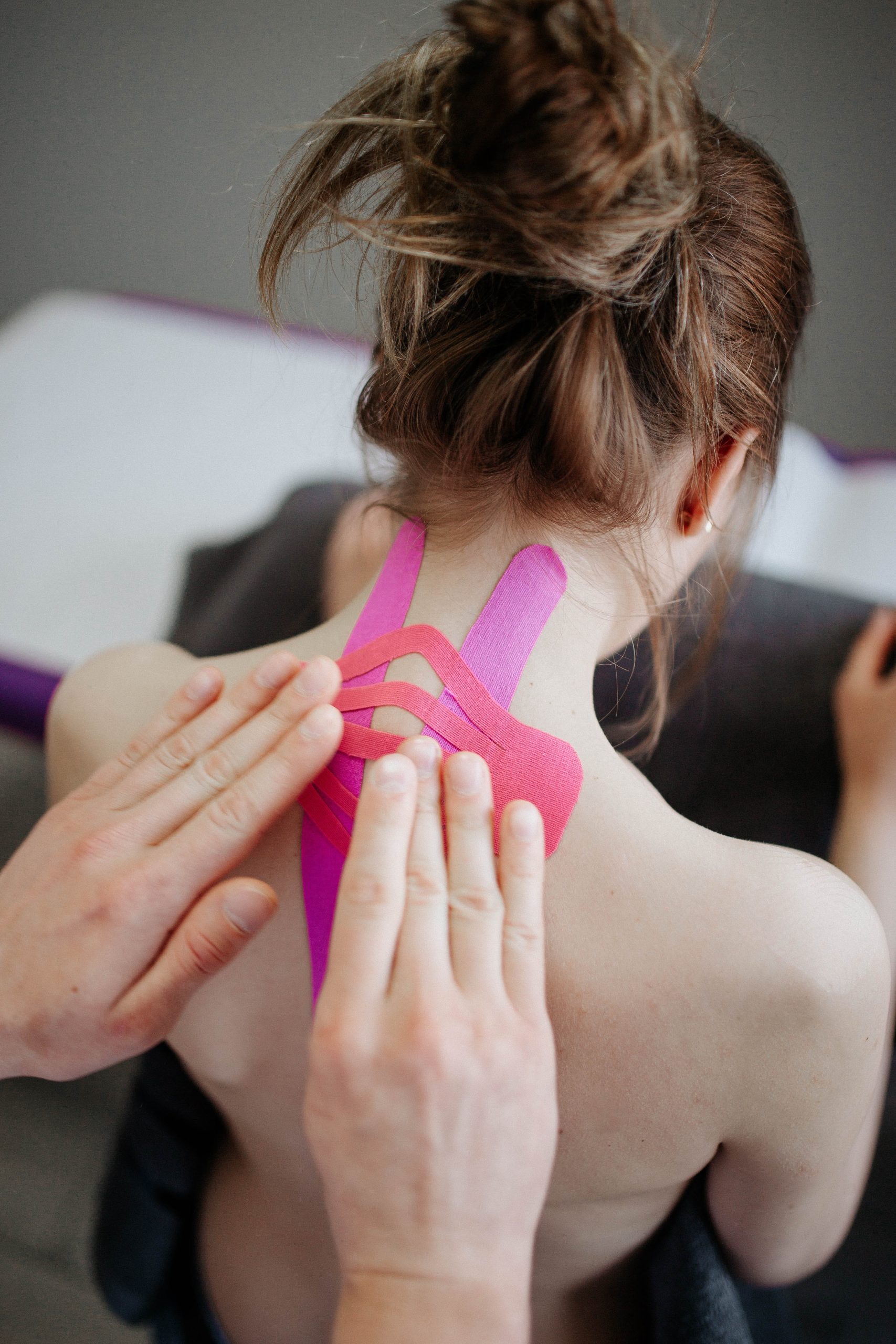
Manual Therapy
Hands-on treatment may help:
- Reduce neck stiffness
- Improve joint mobility
- Relieve muscle tension
- Decrease pain and headache symptoms
Exercise Therapy
Specific exercises may improve:
- Neck strength and endurance
- Postural control
- Muscle coordination
- Upper back stability
Postural & Ergonomic Advice
Poor posture and prolonged desk work can contribute to headache symptoms. Physiotherapy may include:
- Workstation assessment and advice
- Postural retraining
- Movement and stretching strategies
- Activity modification recommendations
Dry Needling & Soft Tissue Treatment
Treatment may target tight muscles in the:
- Neck
- Shoulders
- Upper back
- Jaw region
This may help reduce muscular tension associated with headaches.
Education & Self-Management
Your physiotherapist may provide guidance on:
- Headache trigger management
- Exercise and activity pacing
- Stress reduction strategies
- Sleep positioning
- Home exercises and symptom management techniques
If headaches are severe, sudden, or associated with neurological symptoms, medical assessment is recommended.