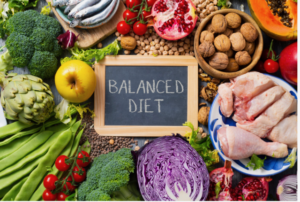
Nutrition for Osteoarthritis
Written by: Melissa D’Elia What is Osteoarthritis? Osteoarthritis (OA) is the most common form of arthritis in Australia and most often affects the knees, hips and hands. It occurs when the cartilage covering the ends of the bones gradually breaks down and the joint becomes inflamed. Furthermore, this results in pain, stiffness and reduced movement.

When Is Too Much Sport Too Much? Understanding Soft Tissue Injuries in Young Athletes
by Sally Maple Sport is fantastic for children and teenagers. It helps develop strength, coordination, fitness, confidence and social skills, and it can create a lifelong enjoyment of being active. But more is not always better. As children move into adolescence, it is increasingly common for them to train and compete in multiple teams, attend
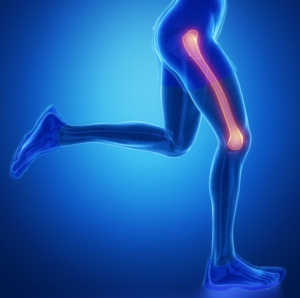
Femoral bone stress fractures
Written by: Mitchell Crook Femoral Neck Stress Fractures and Stress Reactions: What You Need to Know Ever had hip or groin pain that creeps in during a run and eases once you stop? It could be more than just muscle tightness. Femoral neck stress fractures and stress reactions are uncommon, but they’re high-risk injuries that
Fatigue
Written by: Tanya Hofman Is Fatigue Increasing Your Risk of Injury? Most people think injuries happen because they were unlucky. Maybe they stepped the wrong way, lifted something awkwardly or pushed themselves a little too hard. While those moments can certainly trigger an injury, there’s often something happening behind the scenes that makes the body
The benefits of Saunas
Written by: Annabel Ackroyd Saunas have been used for centuries as a way to relax, unwind, and promote wellbeing. More recently, they’re gaining popularity, with claims that they can improve recovery, reduce pain, enhance cardiovascular health, and even increase longevity. Growing bodies of research supports Sauna Therapy, particularly for cardiovascular health and general wellbeing. However,
Stretching Vs Strengthening- Which one does your body really need?
Written by: Ellie Gavalis One of the first questions we may ask ourselves when we are experiencing pain and injury might be should I stretch or should I strengthen it? Whilst a clear answer would make things easy, it isn’t always so straightforward. The reality is that stretching and strengthening are both important, and they
The Psychological Barriers of Injury
Written by: Sheree Freedman When most people think about recovering from an injury, they focus on the physical side of rehabilitation. How long will the pain last? Which exercises should I do? When can I get back to running, cycling, tennis or the gym? These are important questions, but there’s another part of recovery that

The Musculoskeletal Syndrome of Perimenopause
Written by: Sarah Jarvie Masters of Physiotherapy – 2006 Curtin Universtity When most people think of perimenopause, they picture hot flushes, night sweats, and mood changes. However, a large proportion of women experience significant musculoskeletal symptoms during perimenopause, menopause, and post-menopause. If you are in your late 30s to early 50s and suddenly experiencing unexplainable

Polyendocrine Metabolic Ovarian Syndrome (PMOS)
By Alex Walker Polycystic ovary syndrome (PCOS) affects one in eight women. Recently a new name for the condition has been appointed to better represent what is now known to be occurring within the body. This new name, Polyendocrine metabolic ovarian syndrome (PMOS) is said to better describe its effects. The original term PCOS implied

Understanding finger injuries of the PIP joint
By Kate Warton (Hand Therapist OT) What you need to know about the most commonly injured joint in the hand. It can happen in a split second. You go to catch a ball awkwardly or trip and try to break your fall. Your finger bends backward or jars, and before you know it, your middle joint