Sacro-Iliac Joint (SIJ) Dysfunction
At Port Melbourne Physiotherapy and Pilates we pride ourselves on providing our clients with exceptional quality Physiotherapy services by a qualified and professional team.
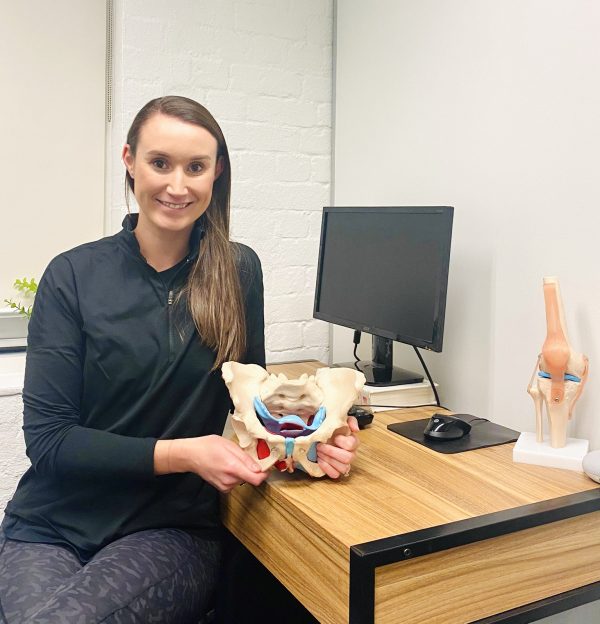
Sacro-iliac joint (SIJ) dysfunction is a common cause of lower back and buttock pain. The sacro-iliac joints connect the base of the spine to the pelvis and play an important role in transferring load between the upper body and legs.
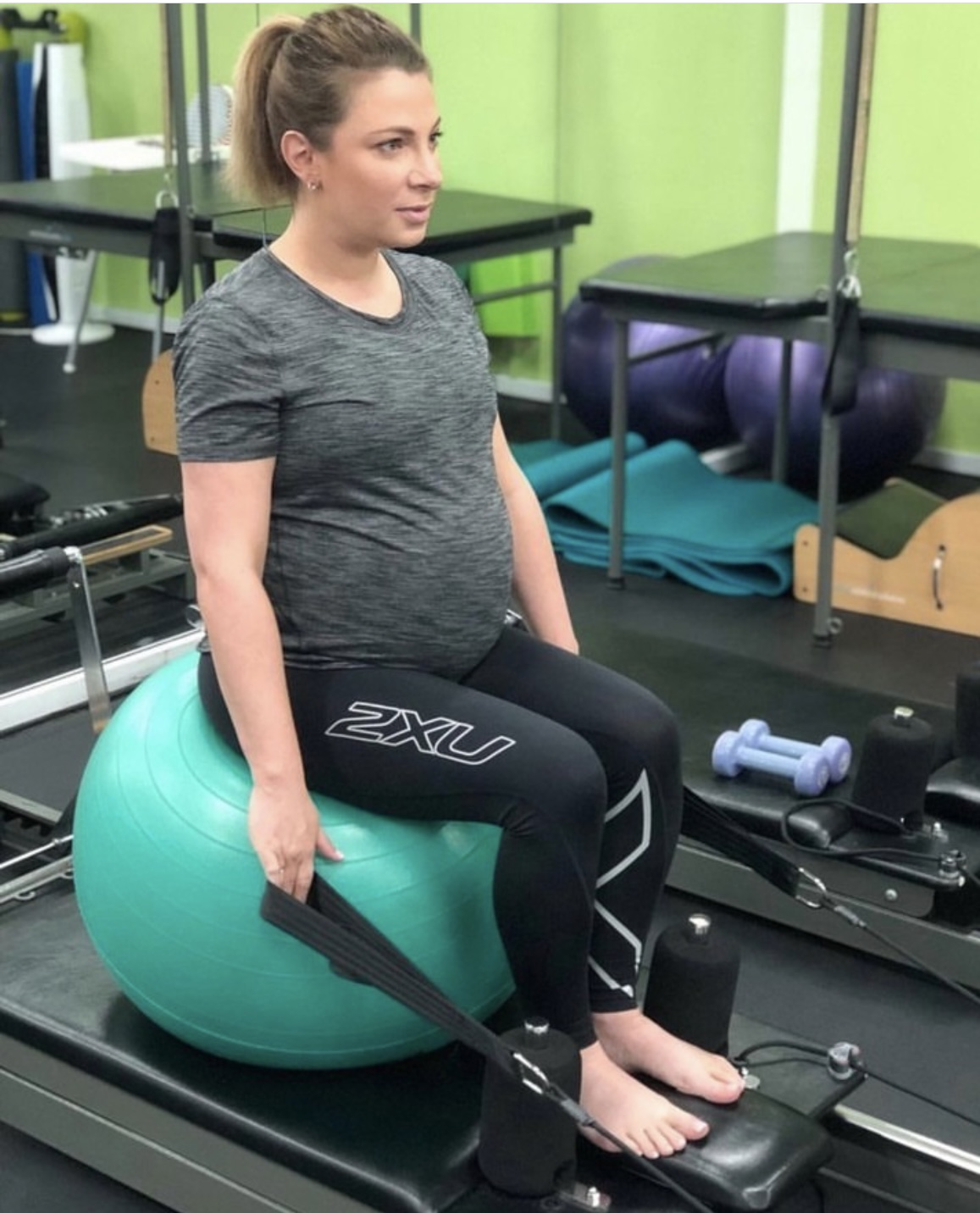
Pain can occur when the SI joint becomes irritated, inflamed or restricted, often due to changes in movement, overload, pregnancy, sporting activity or prolonged sitting and standing.
Common symptoms include:
- Pain in the lower back or buttock
- Pain on one side of the pelvis
- Stiffness with movement
- Pain when standing from sitting
- Discomfort walking or climbing stairs
- Pain with rolling in bed
- Referred pain into the hip or thigh
Physiotherapy Assessment
Your physiotherapist will perform a detailed assessment to determine whether the sacro-iliac joint is contributing to your symptoms and identify any underlying movement or strength deficits.
Assessment commonly includes:
- Detailed history of symptoms
- Lumbar spine and pelvic assessment
- SI joint provocation testing
- Assessment of hip mobility
- Strength and stability testing
- Walking and functional movement assessment
- Postural and movement analysis
Where appropriate, your physiotherapist may recommend further investigation or referral for imaging.
Physiotherapy Treatment
Physiotherapy treatment aims to reduce pain, improve movement and restore pelvic and lower back stability.
Treatment may include:
- Joint mobilisation
- Soft tissue massage
- Dry needling
- Exercise rehabilitation
- Core and pelvic stability training
- Hip and glute strengthening
- Movement retraining
- Postural and ergonomic advice
- Use of stability belts or taping
A tailored rehabilitation program can help improve movement control, reduce irritation of the SI joint and minimise recurrence.
Recovery Following SIJ Dysfunction
Recovery will depend on the cause and duration of symptoms. Many people improve well with physiotherapy and guided exercise, particularly when contributing movement and strength deficits are addressed early.
If you are experiencing persistent lower back, buttock or pelvic pain, physiotherapy can help identify the source of your symptoms and develop an effective treatment plan to support your recovery.