Hip Impingement (FAI)
At Port Melbourne Physiotherapy and Pilates we pride ourselves on providing our clients with exceptional quality Physiotherapy services by a qualified and professional team.
Femoro-acetabular impingement (FAI) is a condition involving abnormal contact between the hip joint ball and socket. This can lead to irritation of the hip joint structures, particularly during bending, twisting or prolonged sitting activities.
FAI commonly affects active individuals and athletes but can also occur in the general population. Over time, repeated pinching within the hip joint may contribute to pain, stiffness and reduced movement.
Common symptoms include:
- Pain in the front of the hip or groin
- Hip stiffness
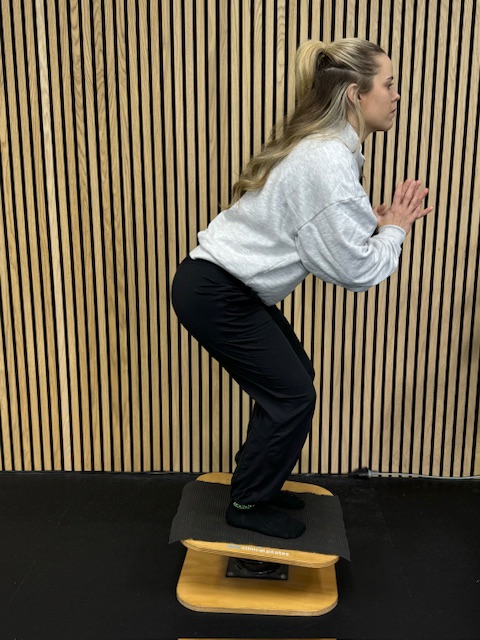
- Pain with squatting or lunging
- Discomfort sitting for prolonged periods
- Clicking or catching sensations in the hip
- Reduced hip mobility
- Pain during sport or exercise
Physiotherapy Assessment
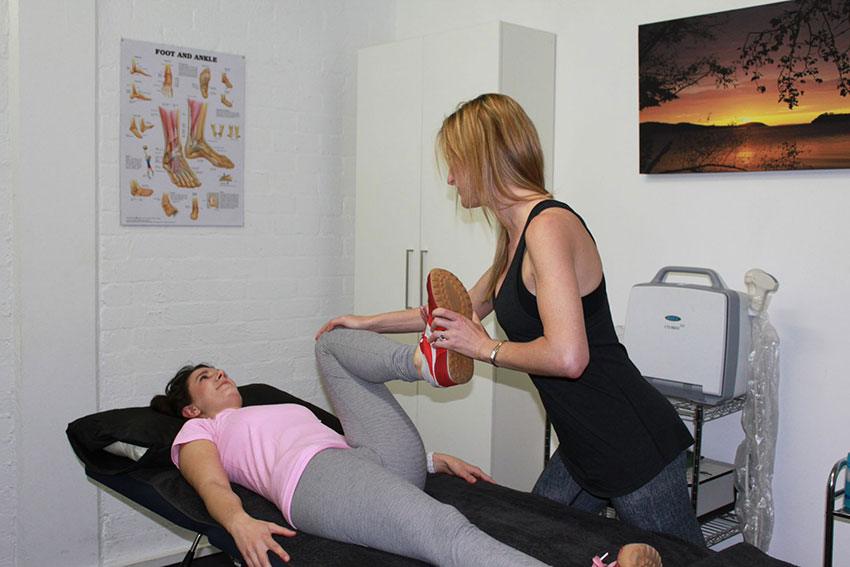
Your physiotherapist will perform a detailed assessment to determine whether hip impingement is contributing to your symptoms and identify any associated strength or movement deficits.
Assessment commonly includes:
- Detailed history of symptoms
- Hip range of movement assessment
- Hip impingement testing
- Strength testing
- Pelvic and lower back assessment
- Walking and functional movement assessment
- Assessment of sporting or exercise demands
Where appropriate, your physiotherapist may recommend further investigation such as X-ray or MRI imaging.
Physiotherapy Treatment
Physiotherapy treatment aims to reduce pain, improve hip movement and restore strength and control around the hip and pelvis.
Treatment may include:
- Joint mobilisation
- Soft tissue massage
- Dry needling
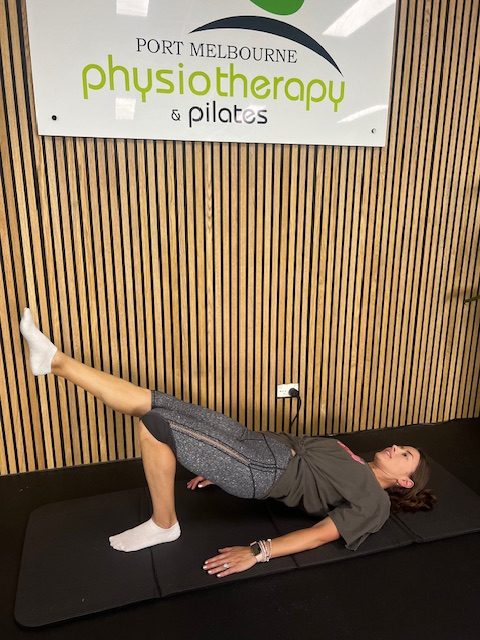
- Hip mobility exercises
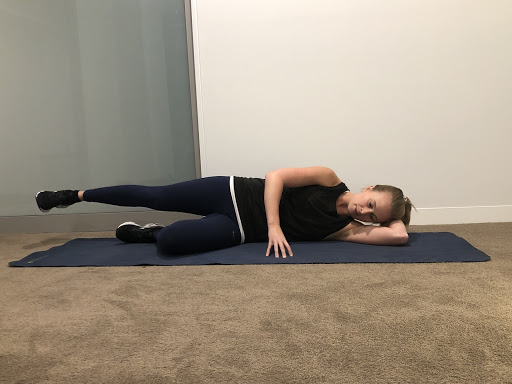
- Glute and hip strengthening
- Core stability training
- Movement retraining
- Load and activity modification
- Return to sport rehabilitation
Exercise rehabilitation plays an important role in improving hip mechanics and reducing ongoing irritation within the joint.
Recovery Following Femoro-Acetabular Impingement
Recovery will depend on the severity of symptoms, activity levels and the presence of associated hip joint changes. Many people improve significantly with physiotherapy and targeted exercise rehabilitation.
Early management can help reduce pain, improve hip function and support a safe return to work, exercise and sport.
If you are experiencing ongoing hip or groin pain, physiotherapy can help assess your condition and develop an individualised treatment plan. We also work in close contact with sport physicians and surgeons if the need for referral to a medical specialist is required.