Bursitis
At Port Melbourne Physiotherapy and Pilates we pride ourselves on providing our clients with exceptional quality Physiotherapy services by a qualified and professional team.
Bursitis is a painful condition that occurs when a bursa becomes irritated or inflamed. A bursa is a small fluid-filled sac that helps reduce friction between muscles, tendons, bones and joints. When these structures are overloaded, compressed or irritated repeatedly, the bursa can become swollen and painful.
Bursitis commonly affects areas of the body that experience repetitive movement or prolonged pressure, including the:
- Shoulder
- Hip
- Knee
- Elbow
- Heel
At Port Melbourne Physiotherapy & Pilates, we regularly help patients recover from bursitis and return to work, sport and everyday activities with less pain and improved movement. Our physiotherapists are trained to assess the underlying causes of bursitis and create tailored rehabilitation programs to help reduce recurrence.
Common Causes of Bursa inflammation
Bursitis can develop gradually over time or occur after a sudden increase in activity. Common contributing factors include:
- Repetitive movements or overuse
- Poor posture or movement patterns
- Muscle weakness or joint stiffness
- Sporting activities
- Prolonged kneeling or leaning on joints
- Direct trauma or falls
- Sudden increases in exercise or training loads
In some cases, bursitis may also occur alongside tendon irritation, arthritis or biomechanical issues.
Symptoms of Bursitis
Symptoms can vary depending on the affected area, but commonly include:
- Localised pain around a joint
- Swelling or tenderness
- Pain when moving the affected area
- Stiffness or reduced range of motion
- Pain when lying on the affected side
- Warmth or inflammation around the joint
Hip bursitis may cause pain on the outside of the hip when walking or sleeping, while shoulder bursitis can make overhead movements difficult and uncomfortable.
If symptoms are ongoing or interfering with daily activities, an assessment with a physiotherapist can help identify the cause and guide appropriate treatment.
Common Types of Bursitis We Treat
- Shoulder Bursitis
Shoulder bursitis commonly occurs alongside rotator cuff irritation and may cause pain with lifting, reaching or overhead activities.
- Hip Bursitis
Often referred to as gluteal bursitis or trochanteric bursitis, this condition causes pain on the outside of the hip and can become aggravated by walking, stairs or lying on the affected side.
- Knee Bursitis
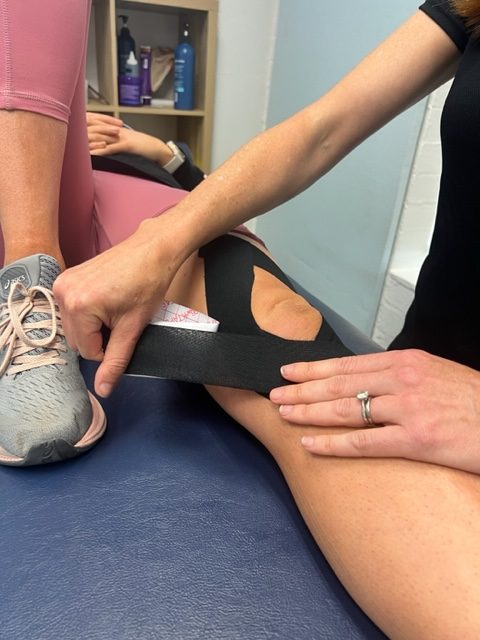
Knee bursitis may develop from prolonged kneeling, repetitive bending or direct pressure to the knee.
- Elbow Bursitis
Also known as olecranon bursitis, this condition can lead to swelling and discomfort around the point of the elbow.
Physiotherapy Treatment for Bursitis
At Port Melbourne Physiotherapy & Pilates, treatment is focused on reducing pain, improving movement and addressing the underlying factors contributing to your symptoms. Your physiotherapist will complete a thorough assessment to determine the most appropriate treatment plan for your condition.
Your treatment may include:
Hands-On Physiotherapy
Manual therapy techniques may help reduce stiffness, improve mobility and relieve discomfort in the surrounding muscles and joints.
Exercise Rehabilitation
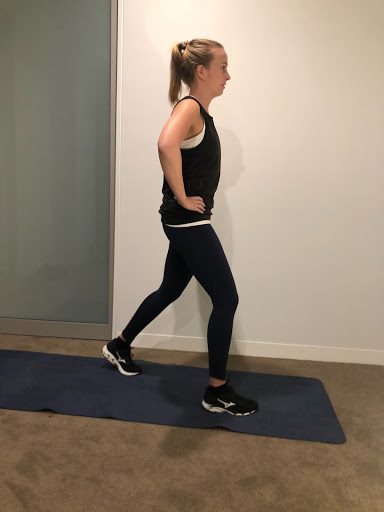
Targeted strengthening and mobility exercises are an important part of recovery and can help reduce stress on the irritated bursa.
Load Management Advice
Your physiotherapist can help modify aggravating activities while keeping you active throughout recovery.
Postural & Biomechanical Assessment
Poor movement patterns and muscle imbalances can contribute to bursitis. Addressing these factors can help prevent symptoms from returning.
Clinical Exercise & Pilates
Clinical Exercise programs may assist with improving strength, control and long-term joint function as part of your rehabilitation.
How Long Does Bursitis Take to Improve?
Recovery time can vary depending on the severity of symptoms, how long the condition has been present and whether contributing factors are addressed.
Many people improve significantly within several weeks with appropriate physiotherapy treatment and activity modification. Chronic or recurring bursitis may require a more structured rehabilitation approach.
Early treatment is often beneficial in preventing symptoms from becoming persistent.