Muscle Strains
At Port Melbourne Physiotherapy and Pilates we pride ourselves on providing our clients with exceptional quality Physiotherapy services by a qualified and professional team.
Muscle strains can happen suddenly during sport, exercise or lifting, or they can gradually develop from overload, poor movement patterns or repetitive activity. Whether you’ve strained your calf running, your hamstring during sport, or your neck lifting at work, muscle injuries can make everyday movement painful and frustrating.
At Port Melbourne Physiotherapy & Pilates, our physiotherapists provide comprehensive assessment and evidence-based treatment for muscle strains to help reduce pain, restore movement and get you back to doing what you enjoy safely and confidently. Our approach combines hands-on treatment, targeted rehabilitation and education to reduce the risk of re-injury.
What Is a Muscle Strain?
A muscle strain occurs when muscle fibres are overstretched or torn. This can range from a mild “tight” feeling through to more significant tearing with bruising, weakness and difficulty walking or moving.
Muscle strains commonly occur during:
- Sprinting or sudden acceleration/ deceleration
- Heavy lifting
- Rapid changes in direction
- Repetitive overuse
- Poor warm-up or fatigue
- Returning to exercise too quickly after injury
Common muscle strains we treat include:
- Hamstring strains
- Calf strains
- Quadriceps strains
- Groin strains
- Hip flexor strains
- Neck and upper back strains
- Lower back muscle strains
- Shoulder and rotator cuff strains
Common Symptoms of a Muscle Strain
Symptoms can vary depending on the severity and location of the injury, but may include:
- Sudden sharp or pulling pain
- Muscle tightness or cramping
- Tenderness when touching the area
- Swelling or bruising
- Weakness with movement
- Difficulty walking, lifting or exercising
- Reduced flexibility or range of motion
- Pain during sport or daily activities
More significant strains may also cause limping, instability or difficulty bearing weight.
Our Assessment Process
Your physiotherapy assessment begins with understanding exactly how the injury occurred and how it is affecting your movement, work, exercise and lifestyle.
During your assessment, your physiotherapist may evaluate:
- The mechanism of injury
- Pain behaviour and aggravating movements
- Muscle strength and flexibility
- Walking and movement patterns
- Joint mobility
- Balance and control
- Sporting or work-related demands
- Previous injuries and training history
Where appropriate, we may also assess surrounding joints and muscles to identify contributing factors such as weakness, reduced mobility or biomechanical overload. This helps us not only treat the current injury but also reduce the risk of future recurrence.
Treatment for Muscle Strains
Treatment is tailored to the severity of your injury, your goals and the activities you need to return to.
Your treatment plan may include:
Hands-On Physiotherapy
Manual therapy techniques may help reduce pain, improve movement and assist recovery. Depending on your condition, treatment may include:
- Soft tissue massage
- Joint mobilisation
- Trigger point therapy
- Dry needling
- Stretching techniques
Exercise Rehabilitation
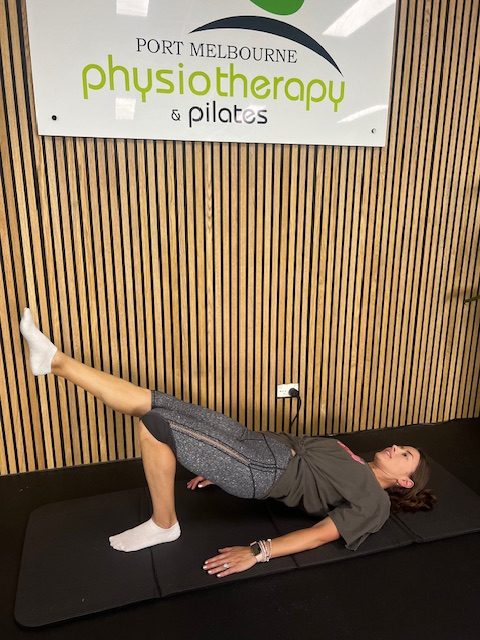
Rehabilitation is one of the most important parts of recovering from a muscle strain. Your physiotherapist will guide you through a progressive exercise program designed to:
- Restore strength
- Improve flexibility
- Rebuild muscle endurance
- Improve movement control
- Prepare you for return to sport or activity
Programs are tailored specifically to your injury and stage of healing.
Load Management & Education
Understanding how to manage activity during recovery is essential. We provide advice regarding:
- Exercise modification
- Return to running or sport
- Workplace ergonomics
- Recovery timelines
- Training progression
- Injury prevention strategies
Return to Sport & Performance
For sporting injuries, rehabilitation progresses beyond pain relief. We help prepare your body for the demands of running, jumping, lifting and change-of-direction activities to minimise the risk of re-injury when returning to training or competition.
Early assessment and appropriate rehabilitation can help optimise recovery and reduce ongoing problems. At Port Melbourne Physiotherapy & Pilates, we work closely with you to create an individualised treatment plan focused on helping you recover effectively and return to your normal activities with confidence.