Shoulder Pain and Instability
At Port Melbourne Physiotherapy and Pilates we pride ourselves on providing our clients with exceptional quality Physiotherapy services by a qualified and professional team.
Shoulder pain and instability are common conditions that can affect people of all ages and activity levels. The shoulder is a highly mobile joint, making it more vulnerable to strain, overuse and instability injuries.
Symptoms may develop gradually over time or occur suddenly following sport, lifting, falls or trauma. Instability can occur when the structures supporting the joint become stretched or injured, leading to feelings of weakness, looseness or the joint “slipping” out of place.
Common symptoms include:
- Shoulder pain with movement
- Pain reaching overhead or behind the back
- Weakness or loss of strength
- Clicking, catching or grinding sensations
- Reduced shoulder mobility
- Pain sleeping on the affected side
- Feelings of instability or the “giving way”
- Difficulty with lifting, sport or gym activities
Physiotherapy Assessment
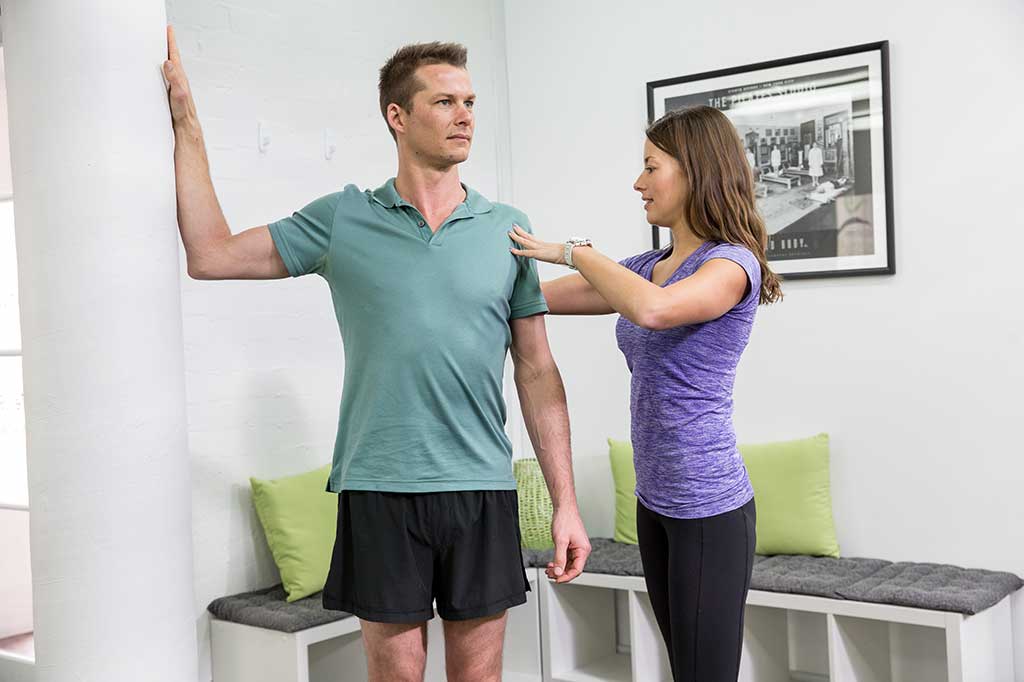
Your physiotherapist will perform a detailed assessment to determine the cause of your shoulder pain and identify any contributing strength, mobility or stability deficits.
Assessment commonly includes:
- Detailed history of symptoms
- Range of movement assessment
- Strength testing
- Shoulder stability testing
- Rotator cuff assessment
- Postural assessment
- Functional and sport-specific assessment
Where appropriate, your physiotherapist may recommend further investigation such as ultrasound, X-ray or MRI imaging.
Physiotherapy Treatment
Physiotherapy treatment aims to reduce pain, restore movement and improve strength and stability around the joint.
Treatment may include:
- Joint mobilisation
- Soft tissue massage
- Dry needling
- Rotator cuff strengthening
- Gleno-humeral stability exercises
- Postural retraining
- Exercise rehabilitation
- Taping techniques
- Return to sport rehabilitation
Rehabilitation is tailored to the individual and focuses on restoring normal shoulder function while reducing the risk of recurrent pain or instability.
Recovery Following Shoulder Injury
Recovery time will depend on the cause and severity of symptoms. Many shoulder conditions respond well to physiotherapy and structured rehabilitation, particularly when treated early.
A progressive strengthening and stability program can help restore confidence in movement and support a safe return to work, gym and sporting activities.
If you are experiencing ongoing pain, weakness or instability, our physiotherapists can help assess your condition and develop an effective treatment plan.