Tennis Elbow (Lateral Epicondylalgia)
At Port Melbourne Physiotherapy and Pilates we pride ourselves on providing our clients with exceptional quality Physiotherapy services by a qualified and professional team.
Tennis elbow is a common condition that causes pain around the outside of the elbow. Despite the name, it does not only affect tennis players. It commonly occurs in people who perform repetitive gripping, lifting, typing or manual tasks.
The condition is medically known as lateral epicondylalgia or lateral elbow tendinopathy. It involves irritation and overload of the wrist extensor tendons where they attach to the outer part of the elbow.
Tennis elbow can develop gradually over time due to repetitive strain, poor load management or sudden increases in activity.
What are the symptoms?
Common symptoms include:
- Pain on the outside of the elbow
- Discomfort when gripping or lifting objects
- Weakness in the forearm or hand
- Pain when opening jars or shaking hands
- Discomfort during typing or mouse use
- Pain during racquet sports or gym exercises
- Tenderness over the outer elbow
- Increased pain after repetitive activity
Symptoms are often aggravated by gripping activities, lifting with the palm facing down, or repetitive wrist movements.
What causes tennis elbow?
Tennis elbow occurs when the tendon is overloaded beyond its capacity to recover. This can lead to tendon irritation and reduced tendon strength over time.
Common contributing factors include:
- Repetitive gripping or lifting
- Sudden increases in activity or training
- Poor workplace ergonomics
- Racquet sport technique issues
- Weakness in the forearm, shoulder or upper back
- Poor load management in the gym
- Repetitive computer or desk work
- Manual labour or trade-based work
We also commonly see lateral epicondylitis associated with neck stiffness, shoulder weakness and poor upper limb mechanics.
Physiotherapy assessment for tennis elbow
Your physiotherapist will complete a detailed assessment to determine the exact source of your symptoms and identify contributing factors.
Assessment may include:
- Detailed history of symptoms and aggravating activities
- Elbow, wrist and shoulder range of motion assessment
- Grip strength testing
- Tendon loading tests
- Assessment of lifting and gripping mechanics
- Palpation of the forearm tendons
- Cervical spine and neural assessment where appropriate
- Workplace or sporting movement assessment
It is important to differentiate tennis elbow from other causes of elbow and arm pain such as neck referral, radial nerve irritation or joint-related pain.
Physiotherapy treatment options
Treatment focuses on reducing pain, improving tendon capacity and restoring strength and function.
Management may include:
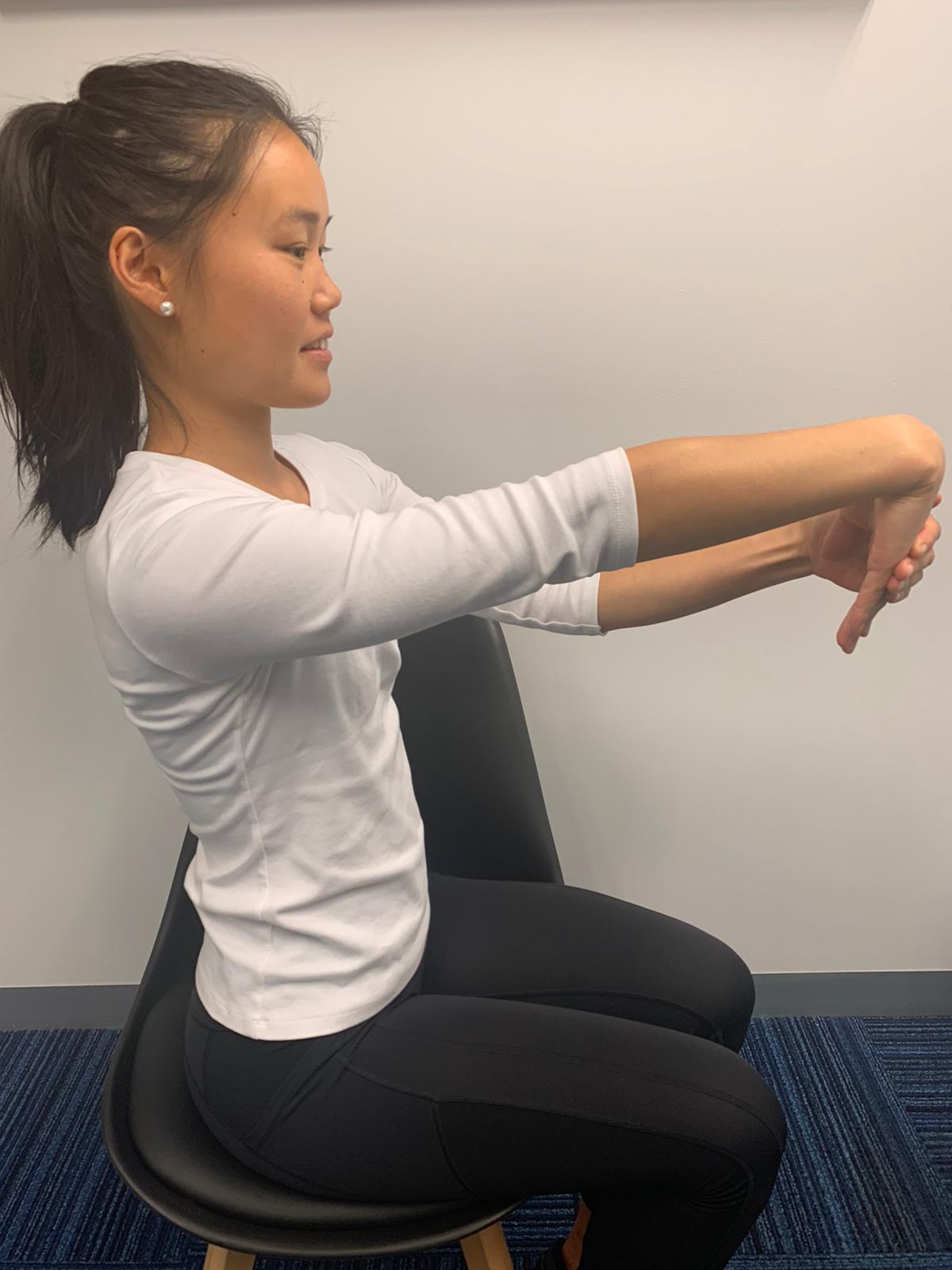
- Education regarding tendon loading and activity modification
- Progressive strengthening exercises
- Forearm and grip retraining
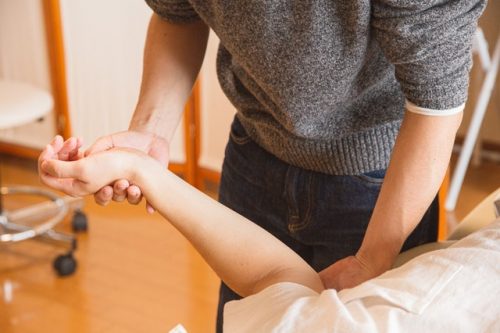
- Manual therapy
- Soft tissue massage
- Dry needling
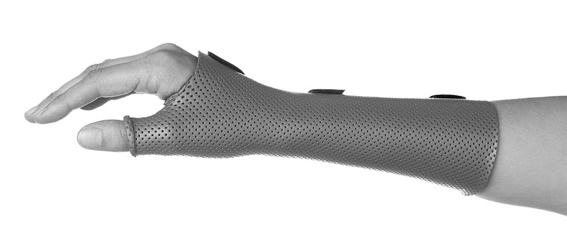
- Taping or bracing
- Ergonomic advice
- Gym and sporting technique modification
- Gradual return to work and sport
In the early stages, reducing aggravating loads may help settle symptoms while maintaining appropriate movement and strength.
Progressive strengthening is one of the most important aspects of long-term tendon recovery.
Our physiotherapists can assess your pain, identify contributing factors and develop an individualised treatment plan to help you return to activity safely.
The hand therapy team also treat tennis elbow and can assist by making custom made splints to help rest the affected tendons prior to a structured exercise program.