

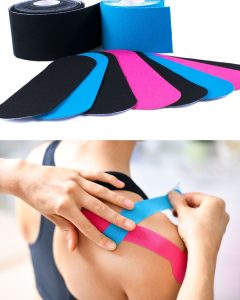
What is Kinesiology Tape—and Does It Really Work?
In recent years, you’ve probably noticed those brightly colored strips of tape on the shoulders, knees, and backs of athletes—from weekend warriors to Olympic champions. This isn’t a fashion statement; it’s kinesiology tape, a tool used by physiotherapists, trainers, and athletes around the world. But what is it exactly? And more importantly—does it work?
What is Kinesiology Tape?
Kinesiology tape (often called kinesio tape or K tape) is a stretchy, elastic therapeutic tape designed to mimic the skin’s elasticity so you can move naturally. Unlike traditional athletic tape, which restricts motion, kinesiology tape supports muscles and joints without limiting movement.
Developed in the 1970s by Japanese chiropractor Dr. Kenzo Kase, kinesiology tape was designed to aid in the body’s natural healing process while allowing full range of motion.
How Does Kinesiology Tape Work?
The tape is applied strategically over muscles, ligaments, and joints. Here’s what it’s believed to do:
- Lift the skin slightly, creating a small space between the skin and the tissues underneath. This can:
- Improve blood flow
- Enhance lymphatic drainage
- Reduce pressure on pain receptors
- Provide support to injured or overused muscles and joints without restricting movement, helping prevent further injury.
- Aid proprioception, which is your body’s sense of movement and position. Enhanced proprioception may improve posture, coordination, and form.
What Conditions Can Kinesiology Tape Help With?
Kinesiology tape is commonly used for a wide variety of issues, including:
- Muscle strains (e.g. hamstrings, calves, or shoulders)
- Joint pain (e.g. knee pain, shoulder instability)
- Swelling and inflammation
- Postural correction
- Tendonitis (e.g. tennis elbow, Achilles tendinitis)
- Support during pregnancy for lower back or belly discomfort
- Post-surgical swelling or scar management
Does the Science Back It Up?
The research on kinesiology tape is still evolving. Some studies show moderate benefits in reducing pain and improving function, particularly when combined with other rehab techniques. Other studies suggest the effects may be partially placebo—but even then, if it helps relieve pain or improves confidence in movement, it’s still a useful tool.
Most professionals agree: kinesiology tape isn’t a miracle cure, but when applied correctly, it can be an effective addition to a broader treatment or training plan.
Is Kinesiology Tape Right for You?
If you’re dealing with a nagging ache, recovering from injury, or just looking for extra support during activity, kinesiology tape might be worth trying. It’s safe for most people, and when applied properly (ideally by a trained professional), it can offer noticeable relief and support.
However, it’s not a substitute for proper medical diagnosis or rehab. If you’re dealing with persistent pain or injury, always consult with a healthcare provider first.
Tips for Using Kinesiology Tape
- Clean, dry skin is key. Oils, lotions, and sweat reduce adhesion.
- Don’t overstretch the tape—it should feel supportive, not tight.
- Be cautious if you have sensitive skin or allergies.
- Remove tape slowly to avoid irritation.
- For best results, ask a trained professional (like a physical therapist) to show you how to apply it correctly.
Conclusion
Kinesiology tape is more than just a colorful trend—it’s a practical, low-risk tool that supports recovery and enhances performance. While it’s not a fix-all solution, it can play a meaningful role in managing pain, improving mobility, and getting you back to doing what you love.
Whether you’re an elite athlete or someone just trying to stay active and pain-free, kinesiology tape might just give you the edge you’re looking for.
Have questions about how kinesiology tape could help you? Chat to your physio during your next session, or book online with one of our physios here.