If you’re in your 40s or 50s and suddenly finding yourself dealing with aches, stiff joints, or injuries that never used to bother you, you’re not imagining it, and you’re far from alone.
Over 70% of women experience musculoskeletal symptoms during perimenopause and menopause. Yet this is one of the least talked-about aspects of the menopausal transition.
What’s Actually Happening in Your Body?
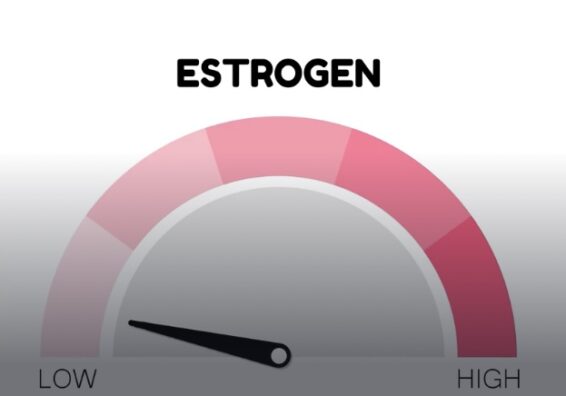
You’ve probably heard about hot flushes and mood changes, but here’s what many women don’t know. Oestrogen receptors exist in your muscles, bones, tendons, ligaments, and cartilage. When oestrogen levels start to fluctuate and eventually decline, every one of these tissues is affected.
Your Muscles
Oestrogen helps protect your muscles. As levels drop, you may notice you’re losing strength and muscle mass more quickly, approximately 0.6% per year after menopause. You might also find that you’re more prone to strains or take longer to recover from exercise.
Your Tendons and Ligaments
Oestrogen plays a role in keeping your tendons healthy by supporting collagen production. With less oestrogen, tendons can become stiffer and less adaptable to load. This is why conditions like tennis elbow, Achilles tendinopathy, and plantar fasciitis become more common in this age group.
Your Bones
Oestrogen is key to maintaining bone density. After menopause, bone loss accelerates significantly, especially in the spine and hips, increasing the risk of osteoporosis and fractures.
Your Joints
Oestrogen helps keep cartilage hydrated and healthy, and has anti-inflammatory properties. Lower levels can contribute to joint stiffness, pain, and accelerated osteoarthritis particularly in the knees, hands, and spine.
Common Conditions You Might Recognise
Many women find themselves experiencing one or more of the following during peri/menopause:
- Generalised joint aches (the most common MSK complaint)
- Frozen shoulder (peak incidence in women aged 40-60)
- Tennis elbow, De Quervain’s, or trigger finger
- Hip pain (gluteal tendinopathy / trochanteric pain)
- Carpal tunnel syndrome
- Heel pain (plantar fasciitis) or Achilles pain
- Low back pain
If any of these sound familiar, the hormonal changes of menopause may well be a contributing factor.
What Can You Do About It?
The good news: there’s a lot you can do, and starting earlier is better.
Strength Training is Your Best Friend
This is the single most evidence-supported strategy. Progressive resistance training helps maintain muscle mass, strengthen bones, and support your tendons and joints.
Research from the Australian LIFTMOR trial showed that exercises like deadlifts, squats, and overhead presses significantly improved bone density and physical function in postmenopausal women. Aim for at least 2 sessions per week.
You don’t need to be a gym junkie and if you loath gym settings, you have so many options that fit your lifestyle. A physiotherapist can design a program tailored to your current fitness level and gradually progress your program.
Add Some Impact
Walking is great, but your bones respond best to higher-impact activities like jogging, jumping, skipping, or dancing. Even small amounts of impact exercise can make a meaningful difference to bone health at the hip.
Work on Balance
Falls become a greater risk as bone density decreases. Incorporating balance exercises into your routine can reduce fall rates by up to 28% when combined with strength training.
Don’t Ignore Your Pelvic Floor
Pelvic floor issues (incontinence, prolapse, pelvic pain) often go hand-in-hand with other MSK symptoms during menopause. Remember that low oestrogen affects muscle mass and strength, and your pelvic floor muscles will also be affected during this phase. A pelvic health physiotherapist can assess and treat these concerns, which are very common and very treatable.
Start Early
If you’re in perimenopause (or even approaching it), now is the time to build your physical resilience. Establishing good strength, bone density, and movement habits before the biggest hormonal shifts gives you a head start.
Talk to Your GP
For some women, hormone therapy may also be beneficial for musculoskeletal symptoms. It’s worth having a conversation with your doctor about whether this is appropriate for you.
The Bottom Line
Menopause is a natural transition, not a disease. But its effects on your muscles, bones, tendons, and joints are real and significant. Understanding why your body is changing empowers you to take action.
Physiotherapy can help and be an essential part of your perimenopause and menopause journey. We can help with:
– building a strength program
- providing manual therapy for relief
- addressing pelvic floor concerns
- Tailor your clinical pilates and rehab classes to include specific exercises tailored to menopause
- Or just simply helping you move with more confidence
Remember…
You don’t have to just put up with it!
References
[1] The musculoskeletal syndrome of menopause – PubMed https://pubmed.ncbi.nlm.nih.gov/39077777/
[2] Effect of Estrogen on Musculoskeletal Performance and Injury Risk https://pmc.ncbi.nlm.nih.gov/articles/PMC6341375/
[3] A Systematic Review and Meta-Analysis of 93021 Women https://www.jbjs.org/reader.php?rsuite_id=94bd93e3-46aa-40db-9b81-d7f34ee5cd34&native=1
[4] Musculoskeletal Disorders and Menopause – PMC – NIH https://pmc.ncbi.nlm.nih.gov/articles/PMC6430266/
[5] Impact of oestrogen deficiency and aging on tendon: concise review https://pmc.ncbi.nlm.nih.gov/articles/PMC4241423/
[6] Menopause and the Musculoskeletal System – Sydney Pelvic Clinic https://www.sydneypelvicclinic.com.au/menopause-and-the-musculoskeletal-system/
[7] Low back pain and osteoarthritis pain: a perspective of estrogen https://www.nature.com/articles/s41413-023-00280-x
[8] Aromatase Inhibitors—Induced Musculoskeletal Disorders – PMC – NIH https://pmc.ncbi.nlm.nih.gov/articles/PMC7460580/
[9] Perimenopause Symptoms, Exercise & Physiotherapy Support https://physioworks.com.au/perimenopause-physiotherapy/
[10] Resistance Training to Mitigate Sarcopenia in Menopausal Women https://researchdirects.com/index.php/strengthandperformance/article/view/191
[11] Exercise for Postmenopausal Bone Health – Can We Raise the Bar? https://pmc.ncbi.nlm.nih.gov/articles/PMC11985624/
[12] The Benefits of Resistance Training in Menopause (& Beyond) https://innerstrengthbayside.com.au/the-benefits-of-resistance-training-in-menopause-beyond/
[13] Physical Therapist Management of Patients With Suspected or … https://pmc.ncbi.nlm.nih.gov/articles/PMC8983944/
[14] [PDF] Inquiry into the Issues Related to Perimenopause and Menopause https://australian.physio/sites/default/files/submission-2024-03/APA_Inquiry%20into%20Perimenopause%20and%20Menopause%20Feb%202024_0.pdf
[15] The APA Valuing Skills Series – Australian Physiotherapy Association https://australian.physio/advocacy/valuing-skills-series
[16] Physiotherapy during Menopause Brisbane – articulate. https://www.articulatephysiotherapy.com.au/menopause–perimenopause.html