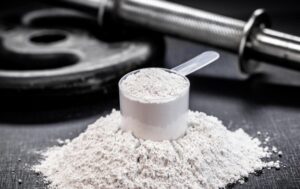
The low down on Creatine
By Melissa D’Elia, APD What is Creatine? Creatine is a natural substance that your body makes on its own. It is produced mainly in the liver, kidneys and pancreas, using building blocks from protein (amino acids). Around 95% of the creatine in your body is stored in your muscles, with a small amount in your
Menopause and your body
By Bronwyn Vaughan If you’re in your 40s or 50s and suddenly finding yourself dealing with aches, stiff joints, or injuries that never used to bother you, you’re not imagining it, and you’re far from alone. Over 70% of women experience musculoskeletal symptoms during perimenopause and menopause. Yet this is one of the least talked-about aspects

Understanding Tendon Pain
By Mitchell Crooks Tendon pain is one of the most common muscle conditions we see in the clinic. It can affect runners, gym-goers, desk workers and active adults alike. What Is a Tendon? A tendon connects muscle to bone. It transfers force so you can move, lift, run and jump. Tendons are designed to tolerate
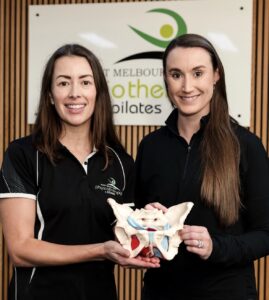
What to Expect at a Pelvic Floor Physiotherapy Consultation
by Sally Maple If you’ve been referred to pelvic floor physiotherapy—or you’re considering booking an appointment—you might be feeling unsure about what will happen. This is completely normal. Pelvic floor concerns are common, but they’re not often talked about, which can make the first consultation feel daunting. The goal of your pelvic floor physiotherapy appointment is

When Google diagnoses do more harm than good
By Tanya Hofman By the time you walk into a physio appointment, there’s a good chance you’ve already met Dr Google. You’ve typed in your symptoms, scrolled past the worst-case headlines, and quietly decided whether you’re “probably fine” or “definitely broken.” The problem isn’t just the curiosity, it’s that the internet is brilliant at listing

A day in the life of an AFLW player and physiotherapist
By Ellie Gavalas People often ask me what a ‘typical’ day looks like as an AFLW player and physiotherapist. The truth is, no two days are ever exactly the same. Between being a player at the Western Bulldogs AFLW and working as a physiotherapist at Port Melbourne Physiotherapy and Pilates, the weeks are busy, structured,
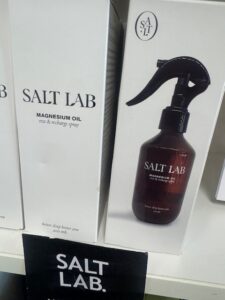
Magnesium- What is it and why it matters
By Annabel Ackroyd Magnesium is an essential mineral and one of the most important electrolytes in the human body. It is mostly stored in bones, muscles and soft tissues, and involved in over 300 biochemical and enzymatic reactions in the body. It plays a vital role in human health, supporting everything from muscle function to

The Benefits of Good Posture in Reducing Muscular Tension
By Cynthia Tadic Good posture plays a vital role in maintaining muscle health and reducing tension throughout the body. How we sit, stand, and move each day directly affects how hard our muscles have to work. Therefore, when posture is balanced and aligned, muscles function more efficiently, leading to less strain, fatigue, and discomfort. What

Mobility vs Flexibility
By Cynthia Tadic Flexibility and mobility are both vital for healthy, pain-free movement but they are not the same thing. However, they are closely related and depend on each other for optimal function. What Is Mobility? Mobility refers to the ability of a joint to actively move through its full range of motion with control,

Why Physiotherapy makes resolutions more achievable
By Sheree Freedman January arrives with a familiar burst of motivation. We declare this will be the year we get stronger, recover fully, improve our posture, or finally commit to a healthier routine. But by February, reality often creeps back in. Busy schedules, soreness, slow progress, or simply losing momentum. If this cycle sounds familiar,